

Rio Tinto’s Simandou set for boost
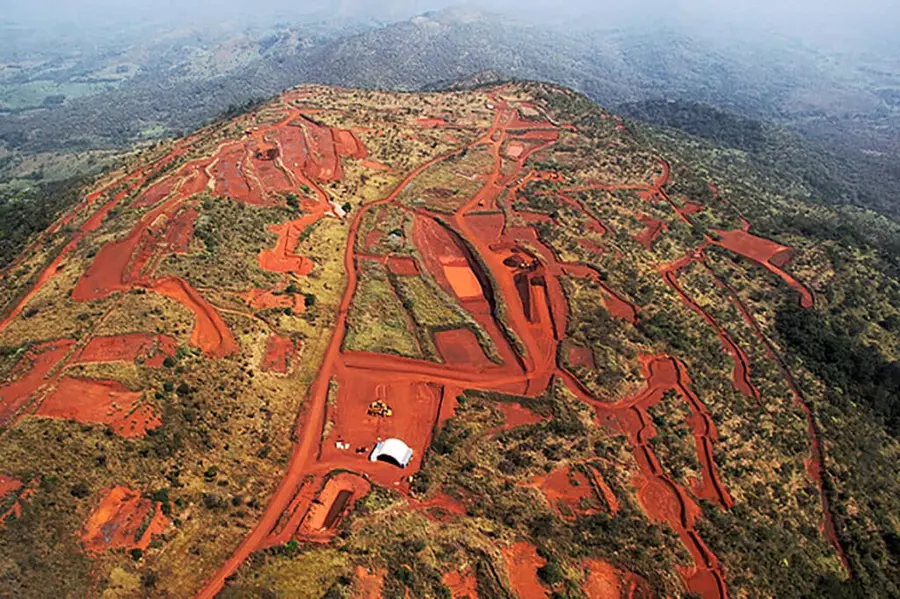
Guinea will fast-track alumina refineries and iron ore plants to end raw ore exports ahead of first shipments from Rio Tinto’s Simandou project.
Guinea Mining Minister Bouna Sylla said the country will prioritise local processing of bauxite and iron ore to capture more value from its resources.
“We are the biggest bauxite producer in the world now … but we don’t have any refineries built since colonial times,” Sylla said. “That will change.”
The government aims to build up to six alumina refineries by 2030, targeting seven million tonnes of domestic processing capacity.
Its first alumina refinery deal, with Chinese state-owned SPIC, is already under construction and due for completion by the end of 2027. Negotiations are also advanced with Chinalco and France’s Alteo, alongside discussions with Compagnie des Bauxites de Guinée and Alcoa.

Beyond bauxite, Rio Tinto and its Simandou joint venture partner Winning Consortium Simandou (WCS) are under pressure to expand local iron ore processing.
Current agreements require the partners to conduct feasibility studies and potentially build a 500,000-tonne steel mill or a two-million-tonne pellet plant within two years of first exports.
Rio Tinto confirmed its involvement, telling Reuters its Simfer venture has a commitment for a feasibility study on a pellet plant to help understand the viability and options available. The miner recently reached a major milestone at Simandou, with first ore being loaded for transport from the mine to the port.
“From our platform to LinkedIn’s energy professionals – your announcements reach the entire sector’s network, not just our readers.”

More News


